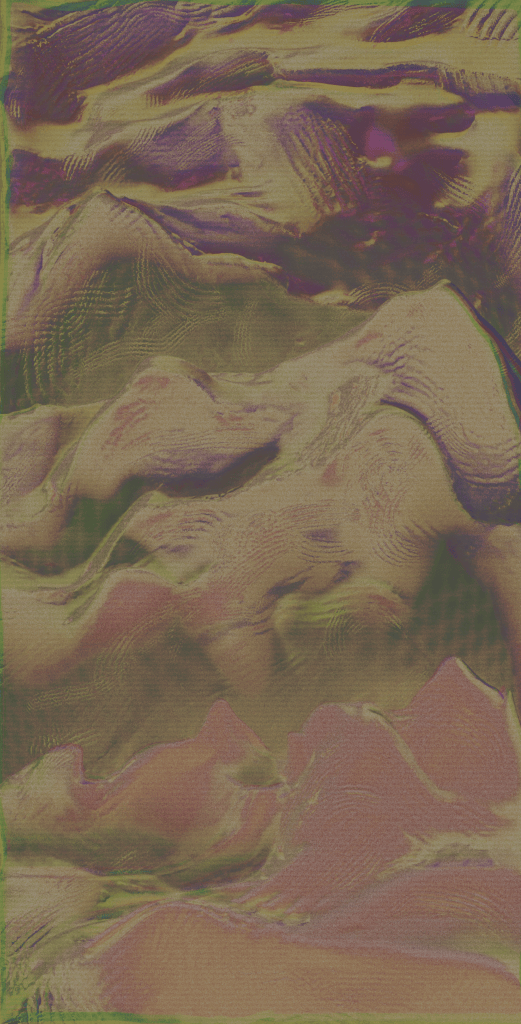
Shanshui is a classical Chinese art form that gained prominence in the fifth century, during the Tang dynasty. Our anthology is interested in the ways that shanshui, literally “mountain-water,” intersects with the ecopoetics of contemporary Canadian poetry. Its crucial elements include, as the name suggests, mountains and water, which often appear as rivers, streams or waterfalls. These elements exist alongside an essential, and often neglected, third element called the Middle Void.
As a negative space within art, the middle void is particularly interesting in the context of poetic/artistic expression. It is a space of balance and tension between the other elements, and is where the viewer (or readers) can contemplate the interactions between mountains, water, and the bareness of the void.
The Canadian landscape is defined by its waters (a mari usque ad mare), its varying geographies, and its many peoples. It is a place where mountains and valleys brush up against oceans, rivers, and lakes. The vastness of the landscape, and the empty spaces—the voids—between human communities, invoke wonder, fear, and, in the face of the climate crisis, dread for the fate of the natural world.
We invite poets and artists of all backgrounds to work with this sense of emptiness, which is particularly charged given the current climate crisis. Emptiness, voidness, eradication. Are these the terms that define our relationship to the natural world? And, if we back away from our own subjective relationship to the world, what other perspectives emerge?
Curator Silke Schmickl of the M+ gallery’s exhibit Shanshui: Echoes and Signals points out that a key feature of the shanshui tradition is the “multitude of perspectives inherent within individual paintings, ranging from close-ups of rocks, water streams, and trees to aerial views of mountains and seas.”
If, as Schmickl suggests, this multiplicity of perspectives is in contrast to the Western, singular and linear viewpoint, how might poetry and art offer an avenue towards embracing these scattered and varied viewpoints? How can poetry and art propose different access points into the idealized natural scenes that shanshui paintings embrace? What would a poetics/artistic praxis that embraces these tenets of shanshui reveal about the communion between human and nature?
We believe the spirit of shanshui lends itself to the familiar conceptual framework of contemporary ecopoetry. Ecopoetics are concerned with the relationship between poet and the natural world, and especially with questions of responsibility, stewardship, and engagement with that world. These poems contain a sense of urgency around the crisis of climate degradation, bringing risk and destruction to the forefront of both the speaker and the readers’ experience. Poems in this tradition are ecocentric, not anthropocentric; the perspectives they offer extend beyond the human to dissolve the subject and embrace a sense of insignificance. We ask what might happen when we (re)enter the middle void today; when we create silence to contemplate human and nature in the midst of crisis.

